ITEM SOLD BY THE LINEAR METER
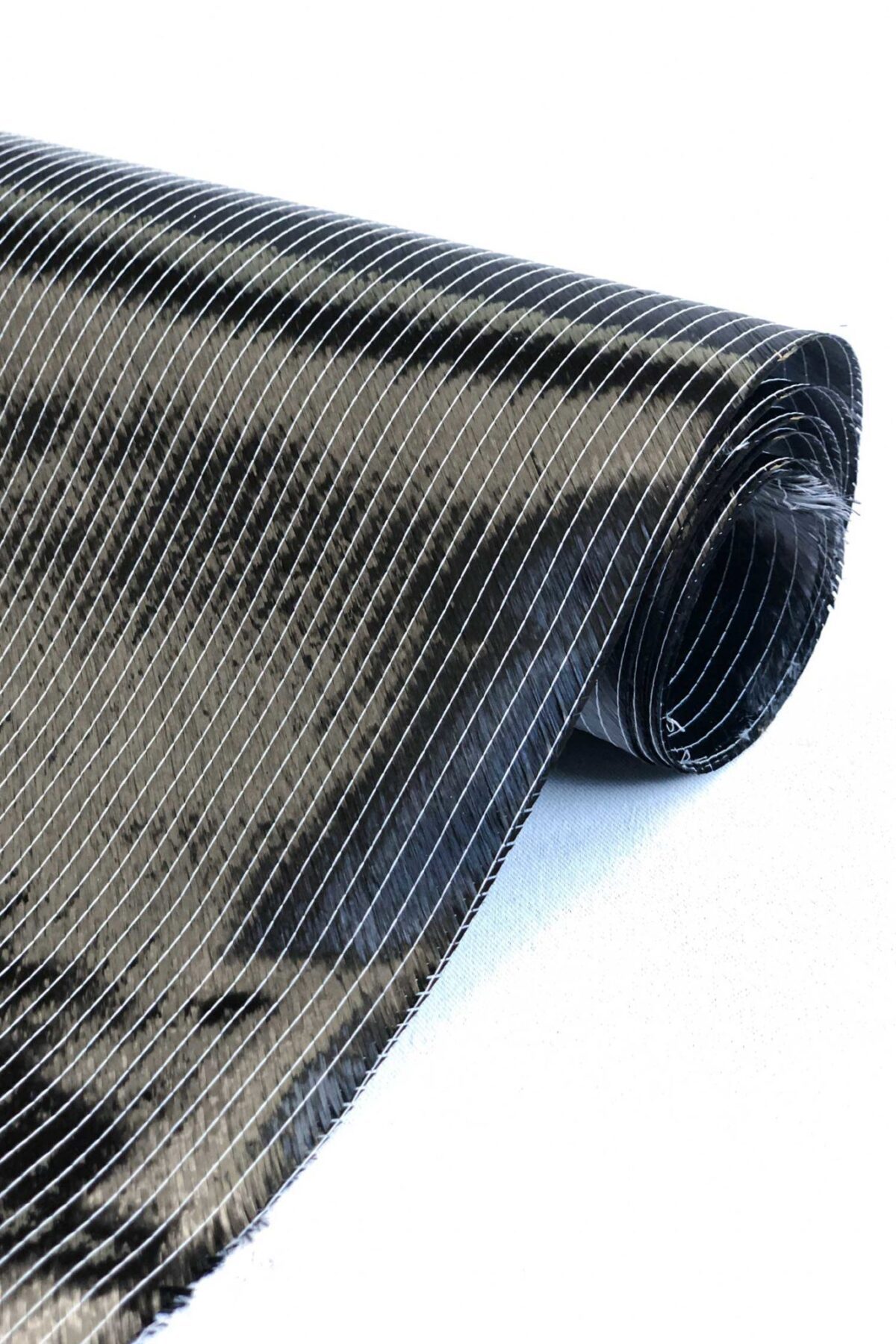
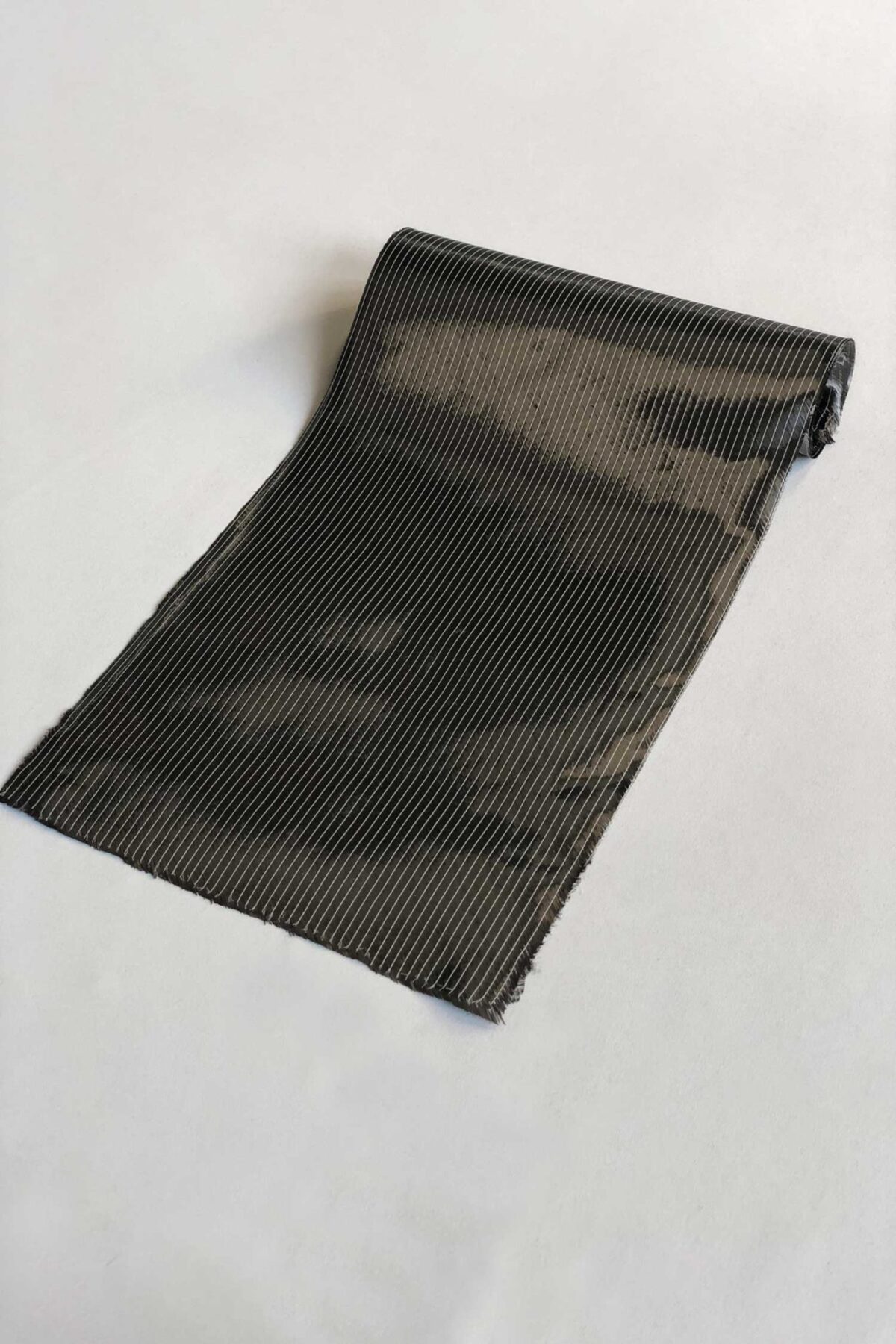
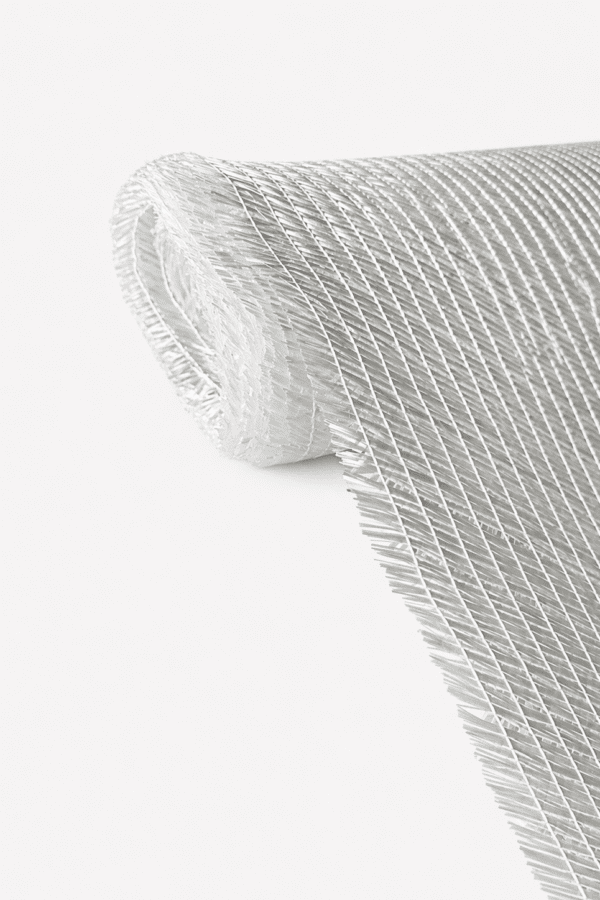
BIAXIAL CARBON SHEET, STITCHED ±45° – 200 g/m² – PANEX® 35
High-strength carbon fiber composite reinforcement PANEX® 35, in the form of a ±45° stitched biaxial sheet, intended for structural applications requiring excellent torsional and shear strength.
PRODUCT DESCRIPTION
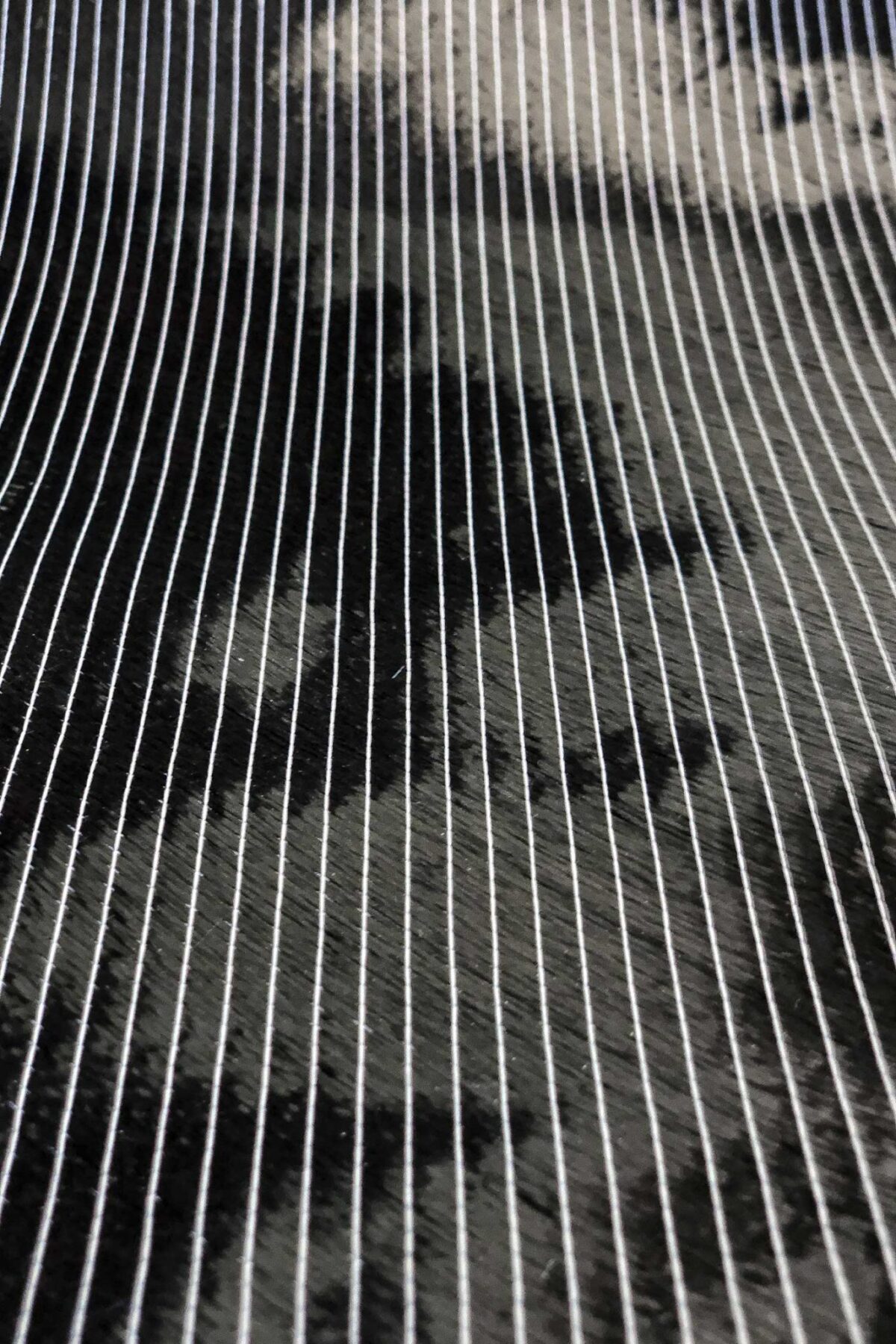
Non-woven carbon fiber sheet, consisting of two sheets oriented at ±45° and held together by stitching.
This configuration allows for a homogeneous distribution of stresses and good stability of the fibers during implementation.
TECHNICAL SPECIFICATIONS
- Fiber: Carbon PANEX® 35 (High Resistance – HS)
- Titling: 12K (12,000 filaments)
- Orientation: ±45° (biaxial)
- Weight: 200 g/m²
- Width: 310 mm
- Packaging: linear meter
MECHANICAL PROPERTIES
- Excellent resistance to shear and torsion
- Improved stiffness under multiaxial loads
- Good stiffness-to-weight ratio
- Good drape for technical pieces
- Fibres are held in place by stitching (limits movement during impregnation)
IMPLEMENTATION
Compatible processes:
- Contact layering
- Vacuum infusion
- Vacuum/compression molding
Compatible resins:
- Epoxy
- Polyester
- Vinylester
APPLICATIONS
- Snowboards / skis (torsional reinforcements)
- Sandwich structures
- Technical composite parts
- Boating, sports, prototyping
OBSERVATIONS
- Dry product (not pre-impregnated)
- The final performance depends on the process and the resin used.
- Cutting possible before lamination
TECHNICAL ADVICE – ASSOCIATION WITH LIGHTWEIGHT NUCLEI
The use of UD carbon is particularly suited to low density cores (paulownia, balsa, mixed bamboo), in order to provide rigidity and responsiveness without penalizing the weight.
However, a 100 % carbon laminate can generate a behavior that is too rigid and unforgiving.
We recommend hybrid constructions:
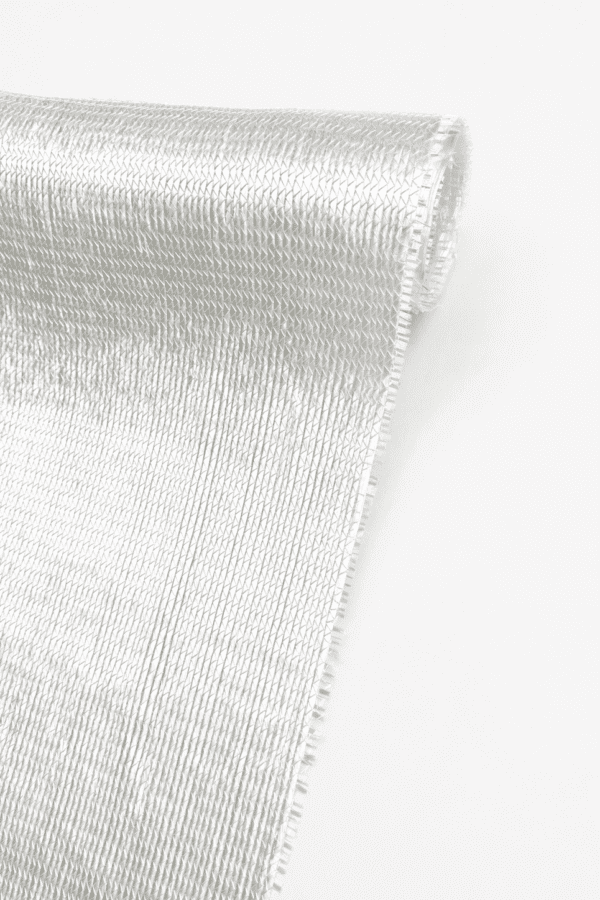
Option 1 – Carbon + glass
- UD carbon 300 g/m²
- Biax carbon ±45° 200 g/m²
- Glass veil
→ Light, responsive structure, with increased tolerance.
Option 2 – Carbon + flax (recommended)
- UD carbon 300 g/m²
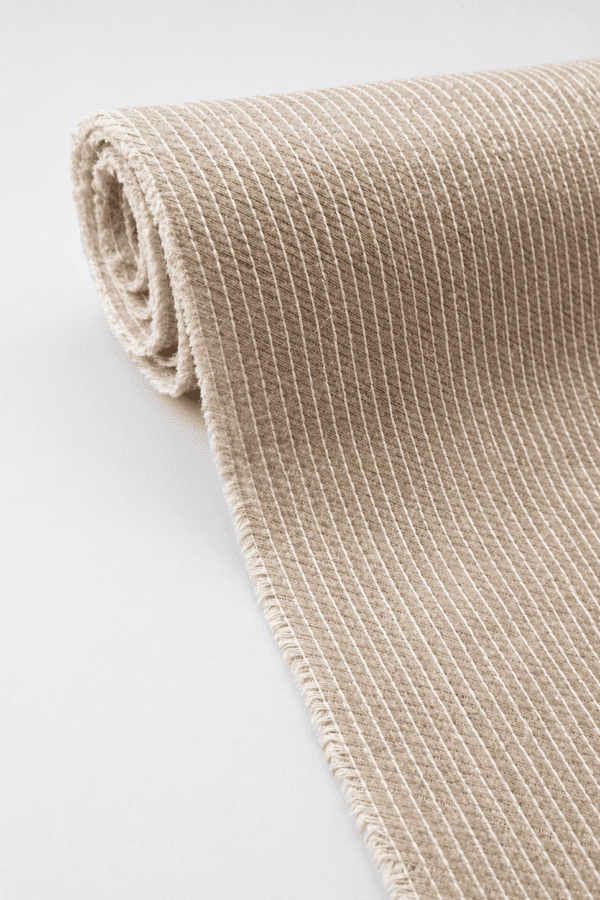
- Biax linen ±45° ~300–350 g/m²
→ Better cushioning, more progressive behavior, optimized snow feel.
APPROACH
The choice of reinforcements depends on:
- of the program (hiking, freeride, piste)
- the rider's weight
- desired sensations
A combination of materials allows for an optimal balance between weight, performance and comfort.