ITEM SOLD BY THE LINEAR METER
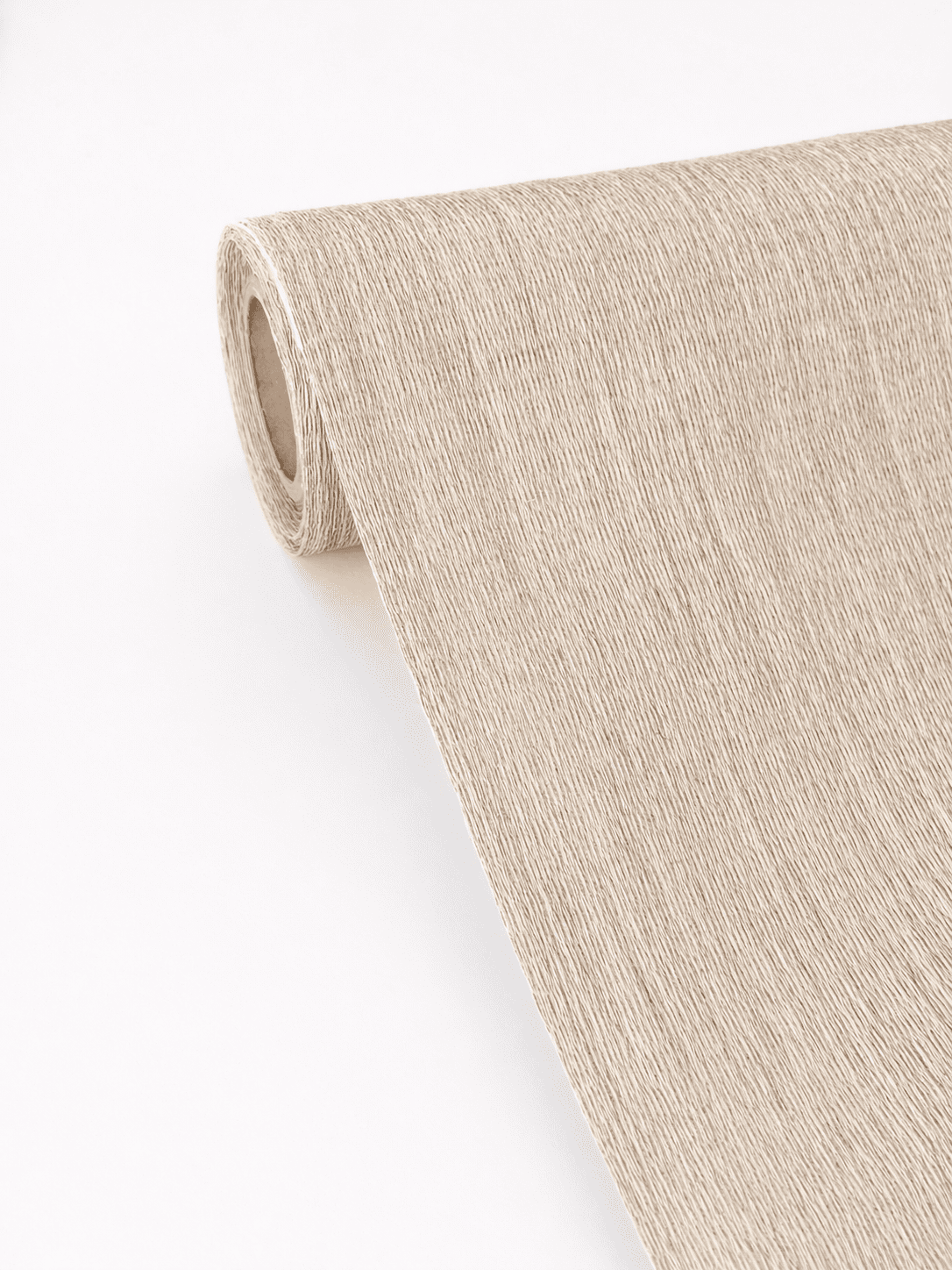
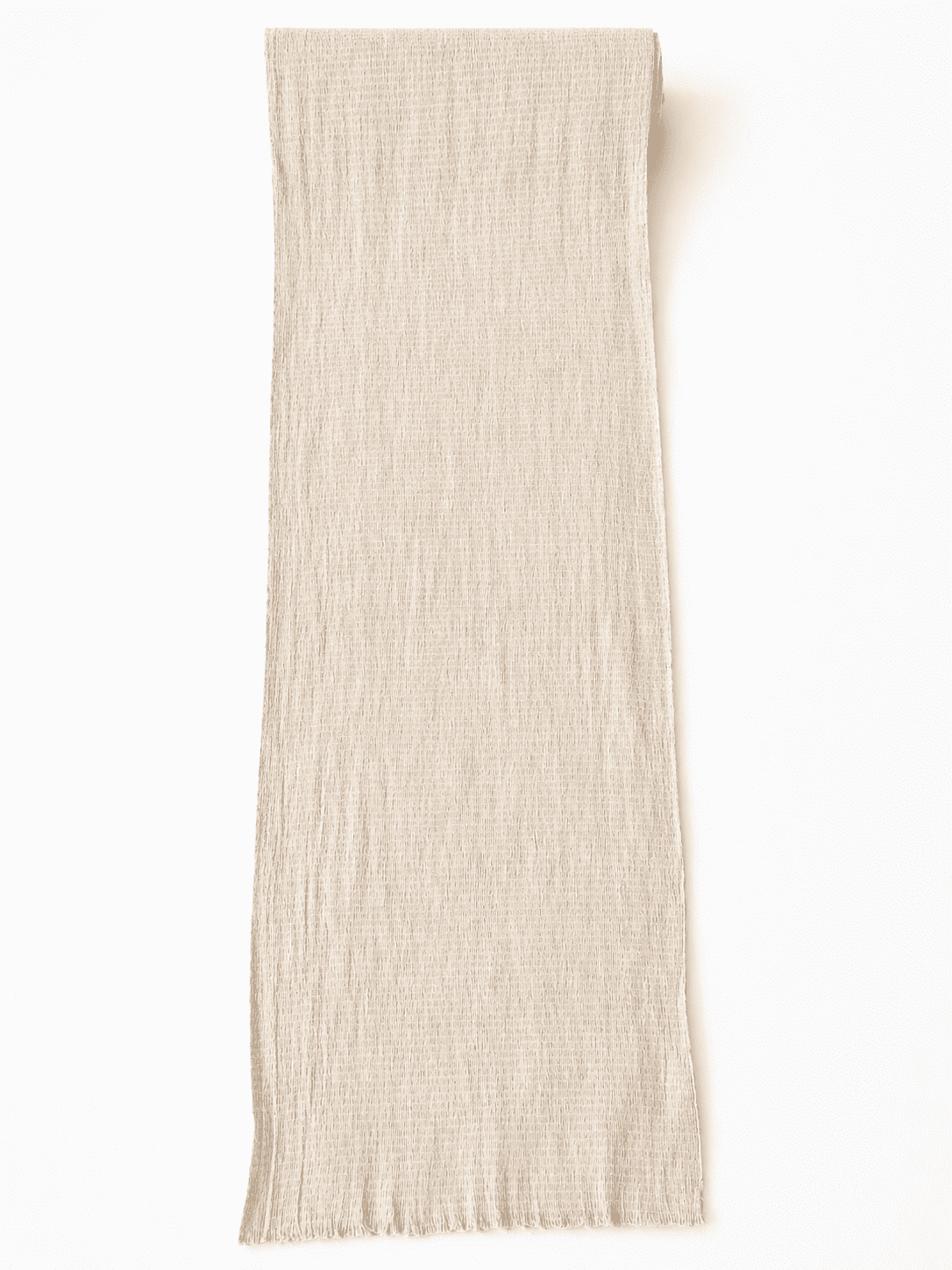
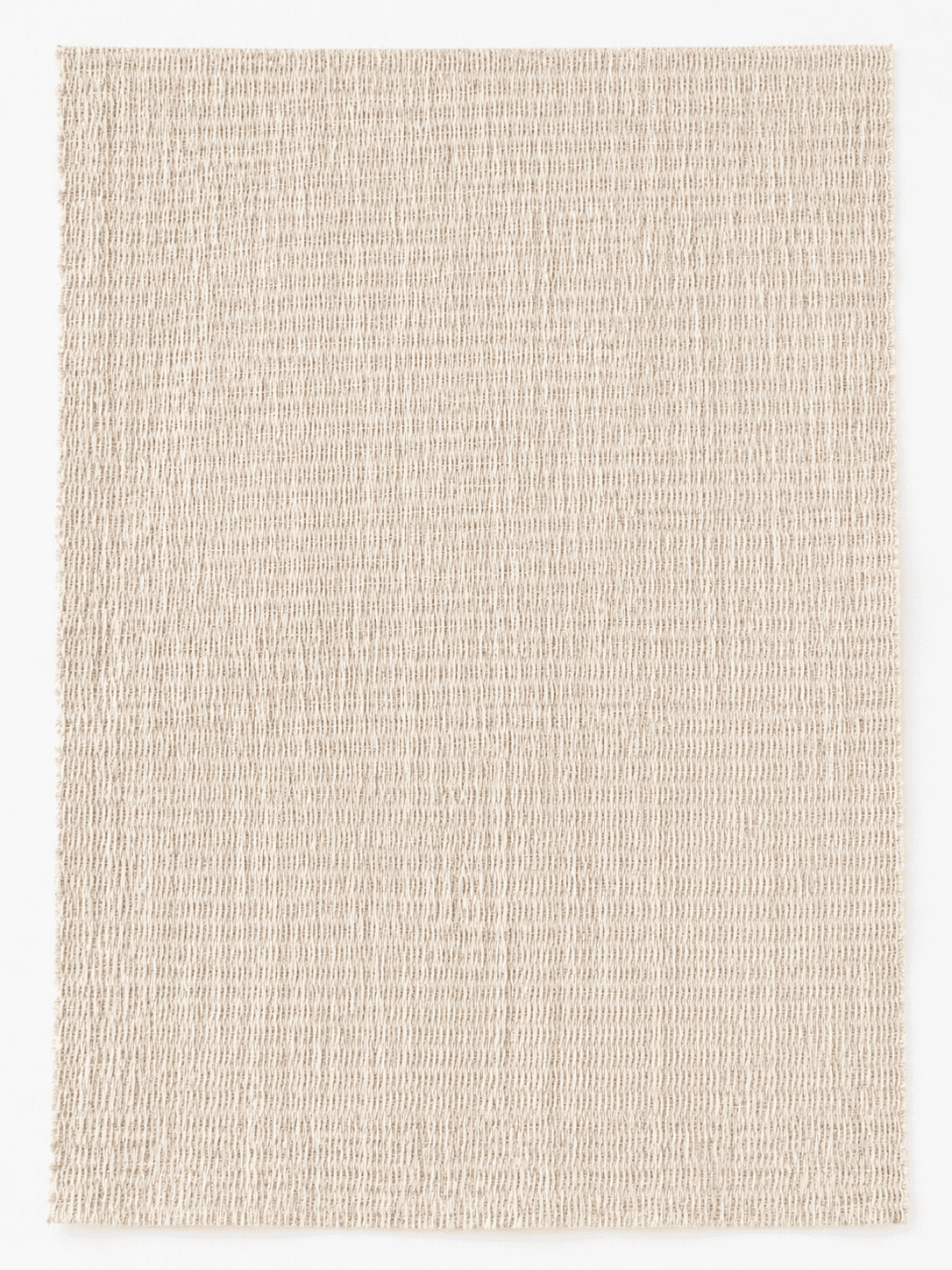
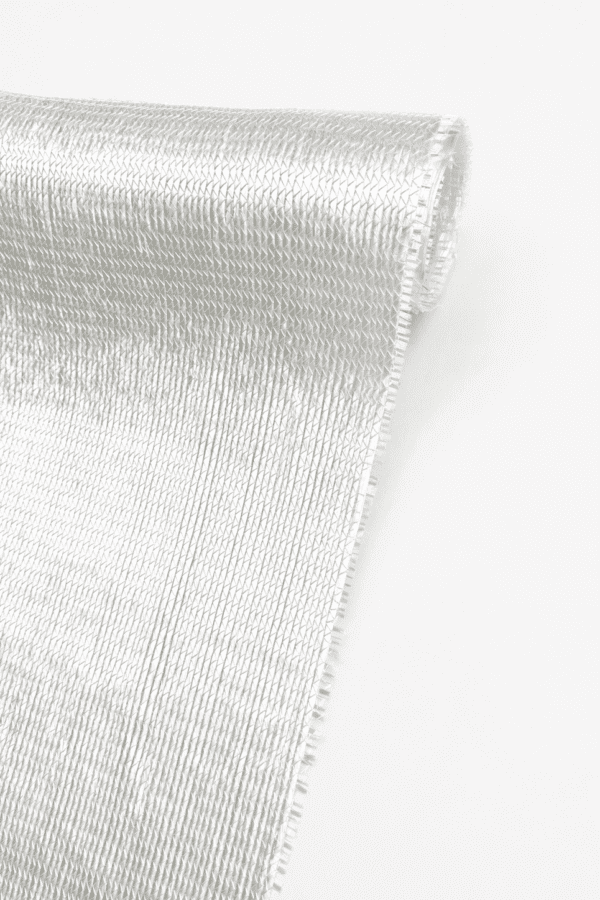
UNIDIRECTIONAL LINEN FABRIC (UD) – 300 g/m² – AMPLITEX™
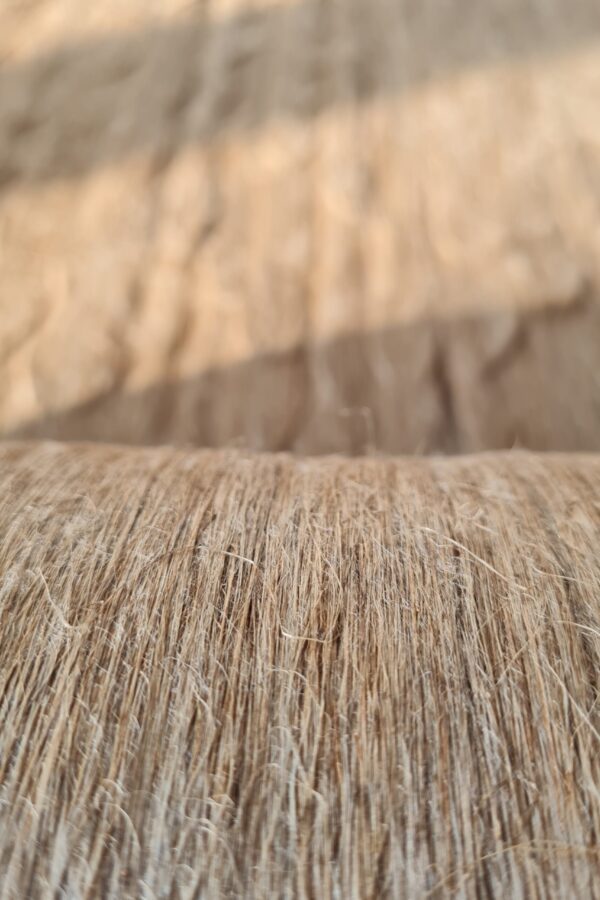
Composite reinforcement made of natural flax fibers ampliTex™, unidirectional architecture (0°), intended for applications requiring mechanical reinforcement in a main axis with high damping capacity.
PRODUCT DESCRIPTION
Unidirectional fabric composed of flax fibers aligned in a single direction (0°) and held together by a light binding thread.
Developed for technical composites, this reinforcement provides a high-performance alternative to fiberglass with improved vibration behavior.
TECHNICAL SPECIFICATIONS
- Fibre: Linen (ampliTex™)
- Orientation: Unidirectional (0°)
- Weight: 300 g/m²
- Width: 350 mm
- Packaging: linear meter
MECHANICAL PROPERTIES
Composite (indicative values)
- Tensile strength: ~383 MPa
- Tensile modulus: ~32 GPa
Fiber (indicative values)
- Tensile strength: ~700 MPa
- Tensile modulus: ~58.5 GPa
- Density: 1.35 g/cm³
PROPERTIES
- Good mechanical reinforcement along the fiber axis
- Excellent vibration absorption
- Specific stiffness greater than fiberglass
- Low density → lightweight structures
- Very good compatibility with carbon (hybridization)
- Reduced environmental footprint
IMPLEMENTATION
Compatible processes:
- Contact layering
- Vacuum infusion
- Vacuum/compression molding
Compatible resins:
Recommendations:
- Pre-drying recommended: 110°C / 15 min
- Indicative resin dosage (UD 300 g/m²): ~390 g/m²
- Caution regarding impregnation: high absorption capacity
APPLICATIONS
- Snowboards / skis (longitudinal shock-absorbing reinforcement)
- Sandwich structures
- Technical composite parts
- Sports, boating, mobility
TERMS OF SALE
- Width: 350 mm
- Sold by the linear meter
- Approximately 4 meters are needed for a pair of skis
OBSERVATIONS
- Dry product (not pre-impregnated)
- Fiber direction to be respected during implementation
- Swelling of the flax during impregnation (normal behavior)
- The final performance depends on the process and the resin used.
TECHNICAL ADVICE – POSITIONING OF LIN UD
UD flax is used to partially or completely replace:
- UD carbon (too rigid/dry)
- fiberglass (less efficient in dynamic conditions)
Typical use
- In addition to carbon → improved comfort
- In longitudinal layers → more progressive flex
- Hybrid structure → best compromise between performance and feel